Related Posts
Research peptides are synthetic amino acid chains designed exclusively for laboratory use and scientific investigation, not for human consumption or for inclusion in any consumer product, including vape liquids. If you’ve come across names like Kylo Peptides US peptide supplier or seen terms such as “research peptides for sale” while exploring vaping options, it’s critical to understand this represents a dangerous category confusion. These compounds, sometimes sourced from specialized facilities, are intended for qualified researchers studying cellular processes, protein interactions, and potential therapeutic mechanisms under controlled conditions.
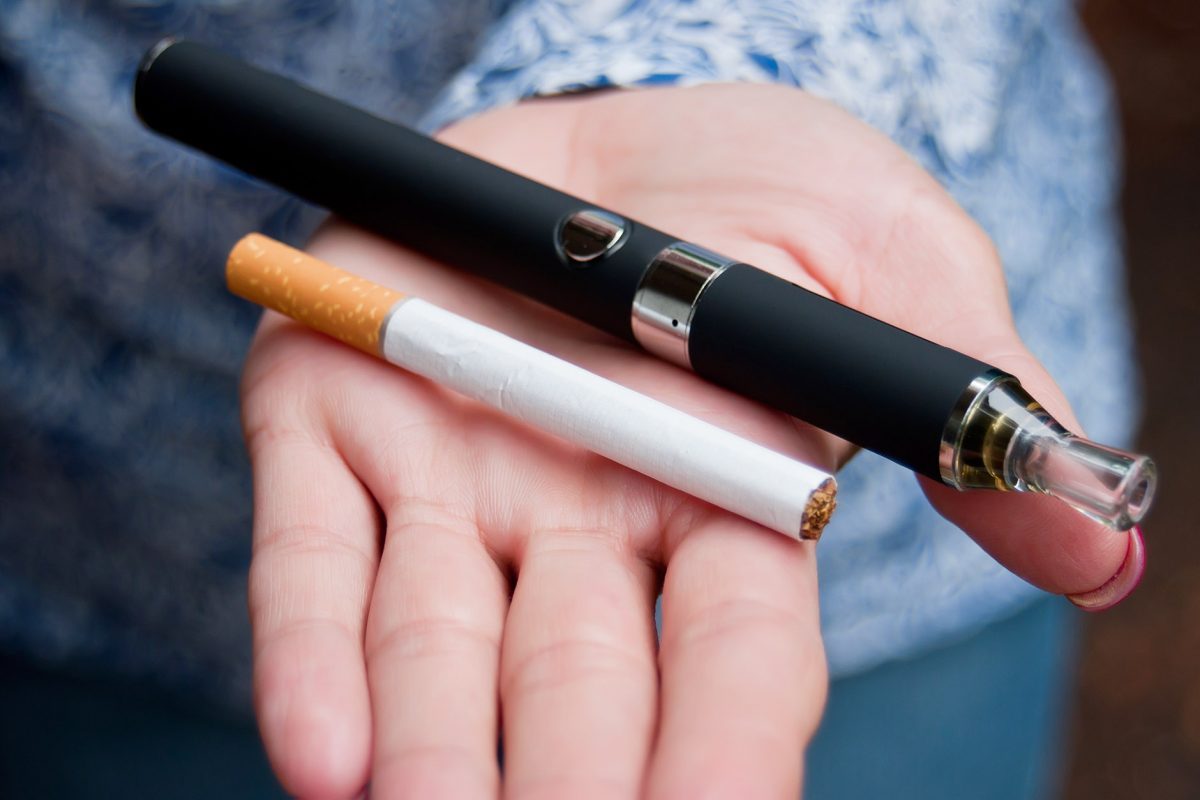
The recent appearance of peptides in vaping-related searches reflects a troubling trend: unregulated sellers attempting to market laboratory chemicals for recreational or performance-enhancing purposes. This practice bypasses safety testing, quality controls, and the fundamental distinction between research-grade substances and products approved for inhalation. What is vaping centers on the aerosolization of specific, tested formulations, typically nicotine, cannabinoids, or flavorings in base liquids like propylene glycol and vegetable glycerin.
Introducing research peptides into this context creates significant health risks. These compounds lack stability data for heating, produce unknown byproducts when vaporized, and carry no guarantee of purity or composition when obtained outside legitimate scientific channels. Evidence-based vaping practices rely on transparent ingredient disclosure, standardized manufacturing, and regulatory oversight. This article clarifies what research peptides actually are, why they don’t belong in vaping devices, and directs you toward safe, legal alternatives that align with responsible vaping culture in 2026.
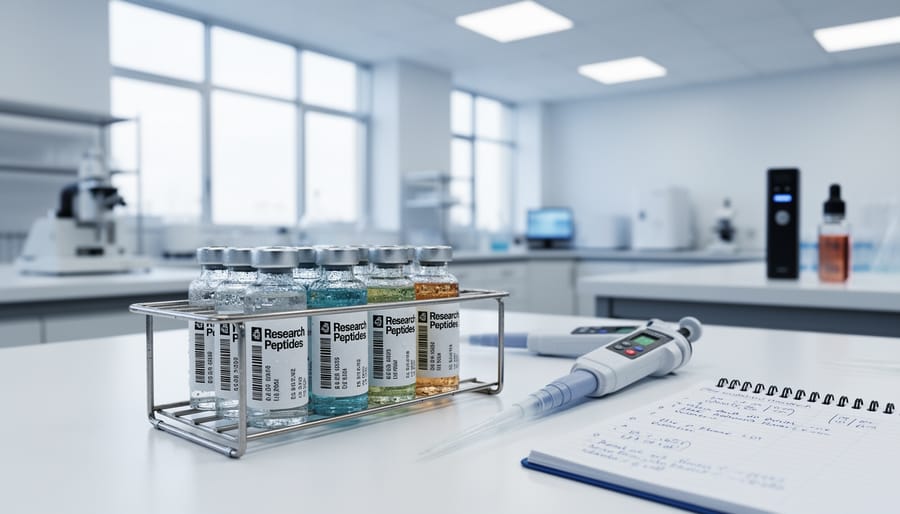
Research peptides are synthetic chains of amino acids developed and sold exclusively for laboratory research purposes. These compounds, which include names like BPC-157, TB-500, or various growth hormone secretagogues, are designed for in vitro studies and animal research, not human consumption in any form. They exist in a regulatory grey area where they can be sold “for research only” without FDA approval, which has created a thriving online market targeting curious consumers rather than legitimate scientists.
The connection between these laboratory chemicals and vaping stems from two sources: algorithmic confusion and deliberate misdirection. Search engines occasionally conflate “research peptides for sale” with vaping-related queries because both occupy spaces in harm reduction and alternative substance discussions online. More troubling, some vendors actively market research peptides using language that suggests inhalation or delivery methods similar to vaping, exploiting the fact that vaping has normalized alternative consumption methods for various substances.
This marketing strategy preys on vaping communities where users have already embraced novel delivery systems and may be open to experimental substances. The pitch often revolves around bioavailability claims or supposed benefits from inhaled delivery, but there’s zero credible research supporting the safety or efficacy of vaporizing peptides. These compounds aren’t formulated for heating, have unknown degradation products when exposed to vaping temperatures, and lack any safety data for pulmonary exposure.
The fundamental disconnect is this: legitimate vaping products undergo specific formulation, testing, and regulation for inhalation safety. Research peptides have none of these protections. They’re unregulated chemicals with “research use only” disclaimers specifically designed to avoid legal responsibility when consumers inevitably use them outside laboratory settings. The overlap in search results doesn’t indicate any real connection, it reflects online marketplaces exploiting gaps in regulation and consumer understanding.
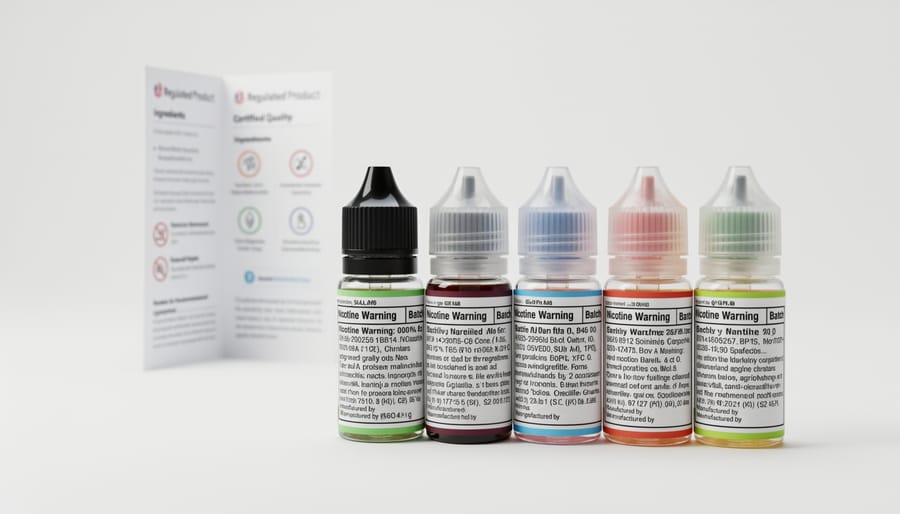
Properly manufactured nicotine e-liquids represent the legitimate foundation of the vaping industry. These products undergo strict quality control processes that include pharmaceutical-grade ingredient sourcing, cleanroom manufacturing environments, and batch testing for consistency and contaminants. In 2026, reputable manufacturers maintain ISO-certified facilities and employ rigorous safety protocols that trace every ingredient from raw material to finished product.
When selecting nicotine vape juice, look for products with complete ingredient transparency. Quality e-liquids list precise nicotine concentrations (typically ranging from 0mg to 50mg in salt nicotine formulations), use USP-grade propylene glycol and vegetable glycerin as base ingredients, and disclose all flavoring compounds. The product label should include manufacturing and expiration dates, lot numbers for traceability, and childproof packaging that meets current safety standards.
In the United States, the gold standard is products that have received FDA marketing orders demonstrating they’ve passed premarket review. While not all legitimate products have completed this process, authorized vendors should provide third-party lab results confirming nicotine accuracy and the absence of heavy metals, pesticides, and harmful contaminants like vitamin E acetate.
CBD vaping products have evolved significantly, with legitimate manufacturers now producing formulations specifically designed for inhalation rather than oral consumption. The key distinction lies in the carrier liquid: proper CBD vape products use vegetable glycerin (VG) and propylene glycol (PG) bases, never oil-based carriers like MCT or hemp seed oil, which can cause lipoid pneumonia when inhaled.
In 2026, reputable CBD vape products come with third-party lab testing certificates (COAs) that verify cannabinoid content and confirm the absence of contaminants like heavy metals, pesticides, and residual solvents. Look for products derived from hemp containing less than 0.3% THC to meet federal legal standards, though state laws vary considerably.
Understanding the CBD vape vs oil distinction matters for both safety and effectiveness, oral CBD oils should never be vaped. Choose manufacturers who provide detailed ingredient lists, batch-specific testing, and clearly state their extraction methods. Avoid products making medical claims or those sold without proper labeling, as these often indicate unregulated or potentially unsafe formulations.

When you introduce unregulated substances into your vaping device, you’re essentially conducting an uncontrolled experiment on your lungs. Unlike approved e-liquids that undergo testing for inhalation safety, research peptides and similar compounds are manufactured for laboratory use only, with no evaluation of what happens when they’re heated and inhaled.
The fundamental problem is thermal degradation. Vaping requires heating substances to temperatures between 200-300°C. Peptides, which are chains of amino acids, break down unpredictably at these temperatures, creating unknown byproducts that enter your respiratory system. You can’t know what you’re actually inhaling because the chemical composition changes the moment heat is applied.
The 2019 EVALI outbreak demonstrated the catastrophic potential of unregulated vaping substances. Over 2,800 hospitalizations and 68 deaths were linked primarily to vitamin E acetate in black market THC cartridges. This compound, safe in skincare products, became dangerous when heated and inhaled, coating lung tissue and causing severe respiratory distress. The victims thought they were vaping a harmless oil additive.
Research chemicals and peptides carry similar risks, amplified by complete regulatory absence. These substances lack any safety data for inhalation. No studies exist on their behavior when vaporized, their impact on lung tissue, or their long-term effects on respiratory health. You’re not just risking immediate harm but potentially irreversible damage that won’t manifest for years.
Black market products compound these dangers through contamination. Independent laboratory testing of unregulated vape cartridges has revealed heavy metals, pesticides, residual solvents, and bacterial contamination. One 2021 study found that 84% of illicit vape products contained harmful additives not listed on packaging.
The absence of quality control means concentration inconsistency. Even if a substance weren’t inherently dangerous, you have no way to verify dosing accuracy. Batches vary wildly, creating risks of toxic exposure from concentrations far exceeding what manufacturers claim.
Your respiratory system can’t distinguish between legitimate threats and experimental substances. By the time symptoms appear, damage may already be done. Documented cases include chemical pneumonitis, lipoid pneumonia, acute respiratory distress syndrome, and permanent lung scarring from vaping unapproved substances that seemed harmless initially.
Navigating the vaping marketplace in 2026 requires vigilance and informed decision-making. With thousands of products available online and in stores, distinguishing legitimate, tested options from potentially dangerous counterfeits or unregulated substances protects both your health and your investment.
Start by examining vendor credentials. Reputable sellers maintain transparent business information, including physical addresses, customer service contact details, and clear return policies. They display relevant business licenses and comply with age verification requirements. Companies selling legitimate vaping products won’t hide behind anonymous websites or resist providing basic business information.
Product certification tells you what safety standards a product meets. In 2026, look for compliance with FDA premarket tobacco product applications (PMTAs) for nicotine products, batch testing certificates for ingredients, and third-party lab results when available. These documents should be easily accessible on the vendor’s website or provided upon request. Any hesitation to share testing data signals a problem.
When evaluating a specific product, follow this verification process:
Understanding the current regulatory environment helps you spot non-compliant products. The FDA’s enforcement priorities have evolved, and legitimate vendors keep pace with changing requirements. Products marketed with health claims, therapeutic promises, or scientific jargon unrelated to standard nicotine delivery raise immediate red flags.
Price comparison across multiple trusted retailers reveals another verification tool. If one vendor sells a name-brand product for substantially less than everyone else, you’re likely looking at a counterfeit. Authentic products maintain relatively consistent pricing across authorized sellers.
Trust your instincts when something feels off. Pushy marketing language, exaggerated claims about product effects, or sellers encouraging you to try “research” substances instead of regulated vaping products all indicate vendors prioritizing profit over customer safety. Stick with boring, straightforward product descriptions and companies that treat vaping products as exactly what they are: consumer goods subject to safety standards, not experimental compounds.
Unscrupulous vendors exploit vapers’ interest in novel products by dressing up unregulated substances in language that mimics legitimate vaping terminology. These predatory tactics follow predictable patterns you can learn to spot.
Watch for disclaimer-heavy marketing that labels products “not for human consumption” or “research purposes only” while simultaneously describing them in ways that suggest vaping applications. This contradiction signals an attempt to avoid regulatory oversight while still targeting consumers. Legitimate vape products never need these disclaimers because they’re manufactured specifically for inhalation.
The phrase “research peptides” or “research chemicals” itself serves as a red flag when appearing alongside vaping equipment or e-liquid terminology. These substances haven’t undergone the safety testing required for inhalation products. Vendors mixing research compound language with vaping contexts are deliberately blurring lines between laboratory materials and consumer goods.
Be wary of marketing that emphasizes “cutting-edge” effects or “novel formulations” without providing basic safety data, third-party testing results, or clear ingredient lists. Legitimate manufacturers proudly display their lab reports and regulatory compliance. Secretive or vague product descriptions often hide a lack of proper testing and quality control.
Claims about “enhanced bioavailability through vaporization” or “optimized absorption” when applied to peptides or experimental compounds should raise immediate concerns. These phrases sound scientific but typically lack peer-reviewed research supporting their safety for inhalation. Real vaping products don’t need pseudo-scientific justification.
Price points significantly below market rates for similar-sounding products often indicate counterfeit or adulterated goods. Quality testing, proper manufacturing, and regulatory compliance cost money. Suspiciously cheap products claiming premium effects likely cut corners on safety.
Finally, vendors operating exclusively through social media, encrypted messaging apps, or websites without clear business registration information typically avoid legitimate channels because their products can’t meet regulatory standards. Reputable vape companies maintain transparent operations with verifiable business credentials and customer service infrastructure.
The landscape of vaping products continues to evolve, but one principle remains constant: your safety depends on using regulated, tested substances designed specifically for inhalation. Research peptides, despite how they might be marketed online, have no legitimate place in vaping devices and represent a serious health risk when inhaled.
Throughout this article, we’ve established that quality vaping products undergo rigorous safety testing, contain clearly labeled ingredients, and come from manufacturers who comply with current regulations. Whether you’re using nicotine e-liquids or CBD formulations, verification matters. Check for third-party lab results, buy from reputable vendors with transparent practices, and never experiment with substances not explicitly approved for vaping.
The red flags we’ve discussed, vague marketing language, “research” product positioning, and sellers operating outside regulatory frameworks, should immediately raise concerns. When a product requires you to waive liability or comes with disclaimers about “not for human consumption,” that’s your signal to walk away.
Stay informed about current regulations in your jurisdiction, as standards for vaping products continue to strengthen in 2026. Follow updates from health authorities and industry organizations, and don’t hesitate to consult with healthcare professionals about vaping choices. Your lungs deserve products that meet safety standards, not experimental compounds sold under misleading pretenses. Make informed decisions, prioritize verified products, and recognize that legitimate vaping options exist without venturing into unregulated territory.